
Latest news
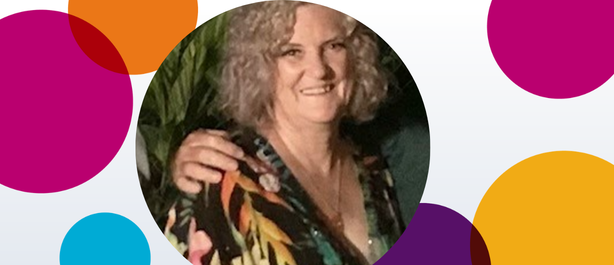
A career built on supporting general practice: celebrating Kim Gardner’s journey
Over 20 years of commitment and insight into supporting a positive accreditation experience for practices
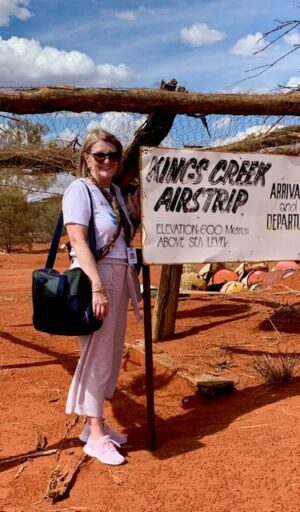
For more than 20 years, Kim Gardner has worked alongside general practices as an AGPAL Surveyor, helping teams to understand accreditation requirements and strengthen the systems that support safe, consistent, high-quality care. Over that time, she has completed an inspiring 872 assessments which has taken her across every state and territory of Australia, working with a wide range of practices and teams, from city practices to remote communities.
As she steps down from her role as one of our long-serving AGPAL Surveyors and retire, we thank Kim for her commitment and the support she has provided to so many practices and share her story. We spoke to Kim about her experiences, the relationships and ways of working that have shaped her journey. Her career reflects a strong focus on collaboration, practical problem solving and helping teams feel confident in the accreditation process, with a commitment to continuous quality improvement.
Her contribution is reflected in both the number of assessments she has completed and the support she has provided to practices navigating accreditation. Through her work, she has helped practices embed accreditation as part of a continuous quality improvement cycle, while remaining closely connected to the communities they serve.
From practice life to accreditation work
Kim’s pathway into healthcare began through a connection with a local general practitioner (GP), where she started as a receptionist and went on to work her way up to practice manager, remaining with the practice for around 10 years. This early experience gave her a clear view of day-to-day practice life, including how much depends on coordination and the work that happens behind the scenes.
Over time, that experience shaped how she approached care, as Kim explains, “health just becomes part of you. The love of helping people and just being available to help them.” When she later moved into accreditation work, that mindset didn’t change. It simply shifted from helping within one practice to supporting many practices to build stronger processes and safer systems.
Working closely with other practice managers early in her career also shaped how Kim approached quality improvement activities. She built strong connections with peers, where, as she describes, “we all learned that we had the same problems and how to deal with them… if I couldn’t work something out, I’d ring them.” These shared experiences of problem-solving together created a sense of trust and openness that Kim carried into her future work, where collaboration and practical support remained central to general practice success in accreditation.
Kim is also open about the learning curve that comes with stepping into quality improvement roles, she shared that at first she didn’t think she’d be very good at helping people with their accreditation journeys. “I was very shy at first,” she remembers, “but it brought me out in a positive way.” In the end, Kim explains that working with others on accreditation “just became natural.”

Why accreditation matters in general practice
For Kim, accreditation is a practical way for general practice to keep improving, “I personally think all practices should be accredited. I think it’s a good way of keeping the standards and quality of care high,” she explains. In Kim’s view, being accredited against the RACGP Standards is not something separated from care. She truly believes that they help practices protect patients, support staff, and build consistency, especially as general practice continues to constantly change over time.
Her long commitment to her role as an AGPAL Surveyor is reflected in how she describes it, saying “It’s been part of my life for over 21 years. And I just have a passion for accreditation.” For Kim, that long service reflects a sustained interest in how practices operate, how safety is supported and how teams can build stronger systems to deliver care that responds to the needs of their communities.
Kim is clear that accreditation is never meant to be treated as a pass or fail moment, and both practices and surveyors should take the opportunity to put the improvement mindset into practice. She often sees practices assume the worst, explaining that when they find themselves with ‘not met’ indicators “they go, oh we failed”. Kim instead tries to change this mindset and encourage teams to see this process for what it is, “you’ve got the opportunity to build quality improvement” activities into the practice. In that context, accreditation becomes less about judgement and more about identifying what can be strengthened, while recognising what is already working well.
Kim’s approach to assessments
Kim approaches assessments in a way that is clear, respectful and grounded in how practices actually work, bringing what she describes as “a calmness” to the process, explaining that “it’s not (…) punitive, it’s educational, and that’s what it’s all about”. This calm approach matters because practices going through the accreditation process often feel the pressure that comes with being assessed, even when they have done it before. She recalls seeing this anxiety firsthand and emphasises the importance of working with practices rather than against them, noting that “you’ve got to get the practice on your side.” By putting practices at ease, she creates space for more open conversations, allowing teams to focus on what is being asked of them and work through gaps in a practical and constructive way.
Collaboration and trust are central to how she works with practices. She emphasises the importance of putting teams at ease, explaining that “they are really anxious about what’s going on. Don’t just walk in and just take over, work with them.” This collaborative approach shapes how she engages with practices, creating an environment where staff feel comfortable to speak openly and ask questions. Over time, this has helped her build strong relationships, where, as she describes, “they can actually talk to me and there’s no barrier there.” For Kim, that connection is a key part of the process, allowing practices to engage more confidently and focus on making meaningful improvements.
The surveyor community
The AGPAL Assessment Team plays a central role in shaping a practice’s on-site accreditation experience, bringing together clinical and operational expertise to support a balanced, practical and collaborative assessment process. For Kim, this team-based approach has been one of the most valuable aspects of the role, with collaboration between surveyors underpinning how assessments work in practice.
Over the years, she has built strong working relationships with other surveyors, describing how “I’ve got a good relationship with all the surveyors I work with” and that “they’re so easy to work with,” creating an environment where people can rely on each other and share knowledge openly.
This sense of partnership is important in assessment work, because in an assessment different perspectives come together. As Kim explains, “you learn from the GP Surveyors. And they learn from us,” with co-surveyors drawing on both clinical and operational experience throughout the assessment process. Rather than working in isolation, the process is built on ongoing conversations between general practice staff, surveyors and co-surveyors that in Kim’s words “problem solve and collaborate,” ensuring are grounded in the standards and real-world practice.
Collaboration also plays an important role in supporting new surveyors. Kim explains how she encourages them to ask questions and learn from more experienced surveyors, reminding them that “if you’re not sure of something talk to your doctor surveyor. They won’t bite you.” This open and supportive environment allows those new to accreditation work to build confidence, develop their skills and feel part of this community of accreditation professionals.
A legacy of support and collaboration
As Kim reflects on her time as an AGPAL Surveyor, her focus remains on the people she has worked with and the connections she has built across practices, always bringing a sense of openness and understanding to every assessment across different practice settings. She encourages surveyors to recognise that not all practices operate in the same way, noting that they should always keep “an open mind, especially if you go out to remote areas or out into the country, because they have different practices” which should be taken into consideration while assessing them.
For Kim, how surveyors engage with practices is one of the most important parts of the assessment. Creating a supportive environment for everyone involved is key. She emphasises the importance of being approachable and grounded, explaining that “we’ve got to be open-minded as surveyors. It’s really important to make the practice staff feel at ease. That’s the best thing to do when you walk in.” This approach reflects the way she has worked throughout her career as a surveyor, focusing on building trust, encouraging open communications, and supporting practices in the assessment process.
After nearly 21 years and 872 assessments, Kim’s impact is reflected in her depth of experience, the relationships she has built, and the many practices she has supported on-site – helping teams strengthen their systems, build confidence, and take on board practical insights that continue to influence how they work. Her collaborative approach has shaped the experience of practices, colleagues and fellow surveyors alike, contributing to meaningful improvements at a practice level – ultimately enhancing the experience for both teams and the patients they care for.
As she steps into a next chapter, her impact continues through the people she has worked with and her ongoing commitment to safety and quality improvement in general practice. On behalf of AGPAL, we thank Kim for her significant contributions, her years of dedicated service and the support she has provided to so many practices and colleagues over the past two decades.
We wish Kim a happy and well-deserved retirement, and thank her for everything she has given to general practice.


