
Latest news
Leadership in practice: insights from Dr Keshav Dhawan
Great practice leadership is about more than keeping a general practice running. It is about building strong teams, supporting people and creating the conditions for safe, high-quality patient care.
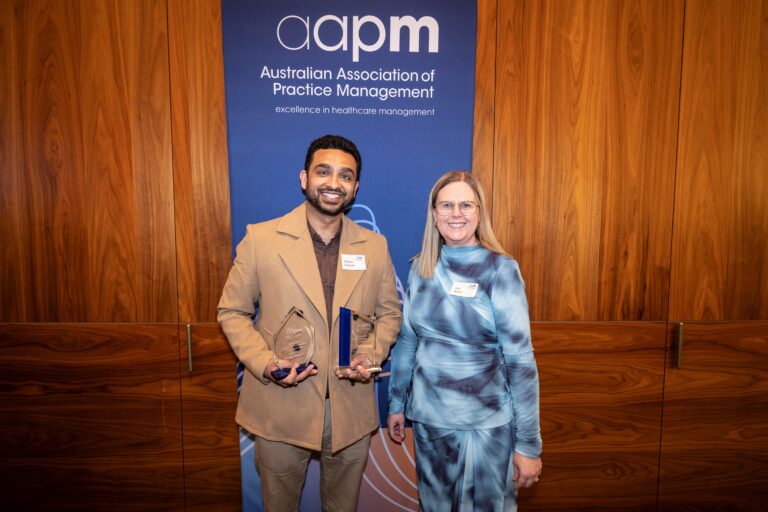
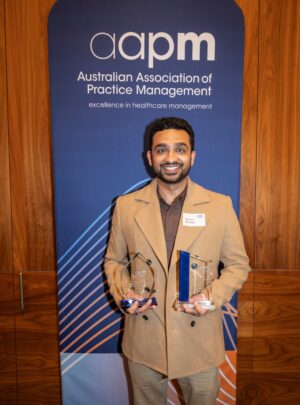
Dr Keshav Dhawan brings a unique perspective to what this looks like in practice. As Practice Manager across three Melbourne clinics – Essence Healthcare, East Keilor Clinic and Hume Medical Centre – and an AGPAL Surveyor, he combines the day-to-day experience of leading general practice teams with insights gained through assessing practices across Australia. In 2026, his contribution to the profession was also recognised when he was named the Australian Association of Practice Management (AAPM) National Practice Manager of the Year.
For Dr Keshav, effective leadership is closely connected to adaptability, empathy and a willingness to keep learning – qualities that have also shaped his own career.
His career began in dentistry in India before a change in circumstances led him towards healthcare management and general practice. After coming to Australia on a student visa, Dr Keshav found that his dental qualifications were not immediately recognised. Rather than waiting for circumstances to change, he began building a different career.
“I could wait, or I could reinvent myself. I chose to reinvent,” he says.
That decision developed into a career spanning practice management and accreditation. While the AAPM recognition was unexpected, he views it as a reflection of the people and experiences that have shaped his career rather than an individual achievement.
“This award is not mine alone. It belongs to every person who has been part of my story.”
Leadership built through everyday actions
Experience has shaped Dr Keshav’s practical view of leadership. For him, leadership has little to do with a person’s title. Instead, it is demonstrated by “showing up every single day for the people around you, your team, your patients, your community.”
In a busy practice, those moments can sometimes be overlooked. They might involve managing a difficult conversation, noticing when staff members need additional support or advocating for patients who find it difficult to navigate the healthcare system. According to Keshav, these interactions are where trust is developed, or as he puts it “earned in the small moments.”
Building an engaged and supported team
Practice managers are responsible for a broad range of operational activities, from staffing and finances to compliance, risk management and patient communication. Keeping a practice running effectively is essential, but Dr Keshav believes strong practice leadership goes beyond day-to-day operations: “A good practice manager keeps the clinic running. A truly great one makes the people inside it thrive,” he says.
Empathy is central to how he approaches his work. Staff members and patients arrive at the practice under different circumstances, with different pressures and expectations. Recognising those differences helps leaders make better decisions and build stronger relationships.
“Great leaders communicate expectations clearly and consistently so nobody is left guessing,” Keshav says. “And accountability matters deeply, not just holding others accountable, but owning your own mistakes and creating an environment where people feel safe to do the same.”
He also identifies presence as one of the most valuable leadership qualities. This does not simply mean being available in the practice. It means paying attention, listening and remaining genuinely engaged with the team.
“The best practice managers I have encountered are not necessarily the most qualified people in the room. They are the ones whose teams feel genuinely supported, valued and inspired to do their best work every day,” he shares.
Growing as a leader
Dr Keshav encourages aspiring and established practice managers to continue investing in their own development. “Knowledge gives you confidence, and confidence gives you the ability to lead well,” he says. Formal education, professional certification and participation in industry events can help practice leaders understand the broader healthcare environment and make more informed decisions within their own practices. Professional networks are equally valuable, particularly because practice management can sometimes feel isolating. Relationships with mentors, colleagues and other healthcare professionals can provide perspective, advice and reassurance during challenging periods.
For Dr Keshav, professional knowledge also needs to remain connected to the purpose of general practice. “General practice sits right at the heart of the community. Every decision you make as a practice manager has a real ripple effect on real patients and real families,” he says.
This perspective is why he encourages leaders to retain a sense of humanity even when balancing competing priorities. Developing as a leader, in his view, is as much about staying connected to people and purpose as it is about building professional knowledge.
Making accreditation part of everyday practice
Working as both a Practice Manager and AGPAL Surveyor has given Dr Keshav insight into accreditation from different perspectives.
Through assessing diverse practices, he has observed different ways of working and approaches to continuous quality improvement. The experience has also deepened his understanding of the intent behind accreditation standards and how they can support patient outcomes and practice teams. “You develop a much deeper appreciation for the intent behind the standards, not just the compliance piece, but what the standards are actually trying to achieve,” he says.
This perspective has influenced how he approaches quality improvement in his own practice. Instead of treating accreditation as an event requiring intensive preparation at a particular point in time, Dr Keshav seeks to incorporate its principles into everyday operations.
This mindset also shapes the questions his teams ask on an ongoing basis, keeping quality improvement connected to everyday practice rather than accreditation alone: “We regularly ask ourselves whether a surveyor walked in today, would we be ready? And more importantly, would our patients and our team reflect a practice that genuinely lives its values?”
His practice management experience also influences the way he approaches assessments. “I approach every survey with a deep respect for the work that goes into running a high-quality general practice, because I live that work myself,” he explains. As a practice manager himself, Dr Keshav understands the pressures involved in running a general practice and brings an appreciation of the work behind the policies and processes being reviewed.
—
Across his roles as a Practice Manager and AGPAL Surveyor, Dr Keshav’s experiences have reinforced that strong practice leadership is built through everyday actions – listening to people, communicating clearly, continuing to learn and creating a culture where teams feel supported to contribute and improve.
His advice to other practice leaders ultimately comes back to the people at the heart of the practice.
“The most powerful thing you can do as a leader is make the people around you feel that they genuinely matter. Because they do.”
It’s a simple philosophy, but one that reflects the broader influence practice managers can have – on their teams, their patients and the communities they serve.


